Quick Guide to Identify Slipped or Bulging Disc
A slipped or bulging disc can cause significant discomfort and disrupt daily activities. Understanding the symptoms and seeking timely medical advice is essential for effective treatment.
What is a Slipped or Bulging Disc?
The spine consists of vertebrae cushioned by intervertebral discs. When these discs are damaged, they can bulge outwards (bulging disc) or rupture (slipped disc), pressing on nearby nerves.
Common Symptoms
- Back Pain: Persistent pain in the lower back, which may radiate to the buttocks and legs.
- Numbness and Tingling: Affected nerves can cause numbness or tingling sensations in the limbs.
- Muscle Weakness: Pressure on the nerves can lead to muscle weakness in the affected area.
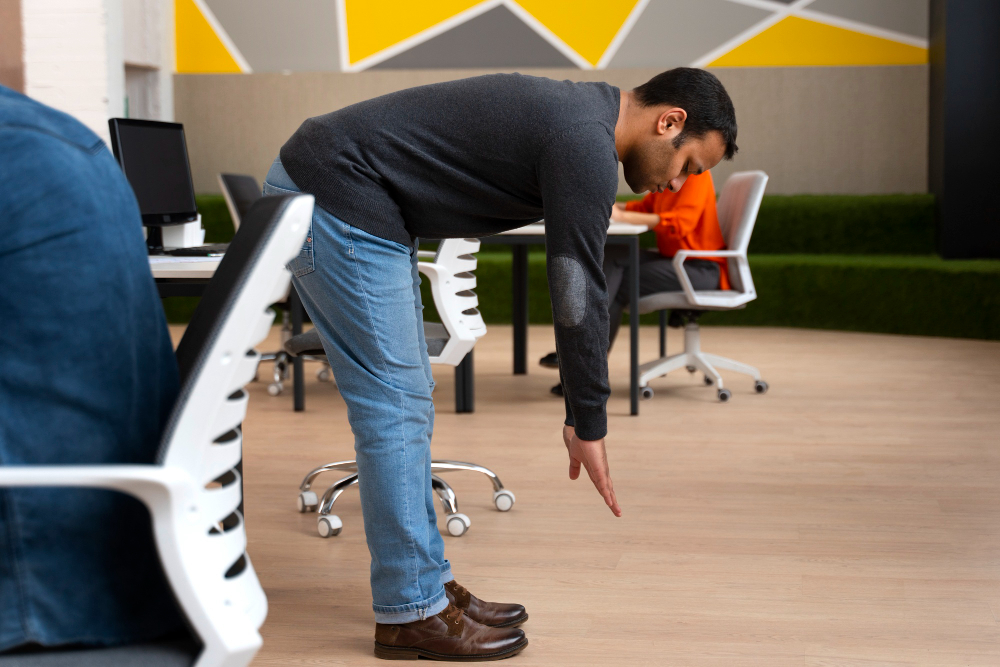
- Pain with Movement: Pain often worsens with specific movements like bending, lifting, or twisting.
Diagnosis
A physical examination combined with imaging tests such as MRI or CT scans can confirm the presence and extent of a bulging or slipped disc.
Treatment Options
- Rest and Physical Therapy: Initial treatments often include rest, physical therapy, and anti-inflammatory medications.
- Medications: Pain relievers and muscle relaxants may be prescribed.
- Surgery: In severe cases, surgical intervention may be necessary to relieve nerve pressure.
Prevention
Maintaining a healthy weight, practicing good posture, and exercising regularly can help prevent disc issues.